Direct-fed Microbials in Aquaculture: Supporting Digestion and Feed Utilization

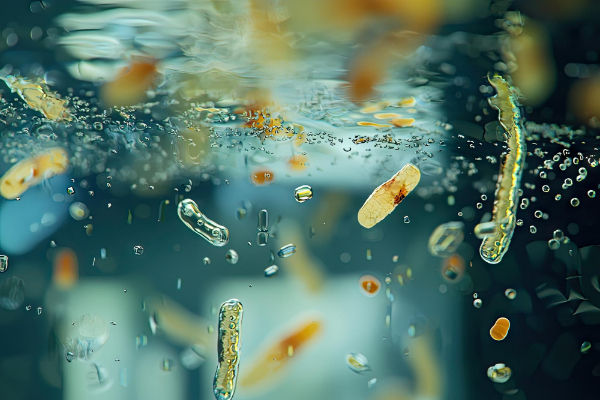
Feed is one of the most important costs in fish and shrimp farming. But simply giving more feed does not always mean better growth. Fish and shrimp need to digest the feed, absorb its nutrients, and maintain a healthy gut environment. When digestion or feed utilization is poor, valuable nutrients can be wasted and farm performance can suffer.
This is where Direct-fed Microbials for Aquaculture can become part of a well-managed feeding program. These products use beneficial microbial approaches and related feed-support solutions to help support gut balance, digestion, nutrient use, and overall animal health. Research on aquaculture probiotics shows that beneficial microorganisms can influence gut microbiota, digestion, nutrient absorption, immunity, and feed utilization.
Why Feed Utilization Matters in Aquaculture
Fish and shrimp require proteins, fats, carbohydrates, vitamins, minerals, and other nutrients for normal growth and body functions. However, the value of feed depends not only on its nutrient content but also on how well the animal can digest and use those nutrients.
A simple way to understand the process is:
Quality Feed → Digestion → Nutrient Absorption → Growth & Health
If digestion is not working well, the nutrients supplied through feed may not be used as effectively. Gut health also matters because the intestinal microbial community can influence digestion and the animal's overall health.
Studies have reported that probiotics used in aquafeeds may support feed consumption and nutrient absorption through effects on digestive processes and the gut microbial environment. However, results can vary depending on the microbial strain, species being farmed, feed, dosage, culture conditions, and application method.
How Direct-fed Microbials Support Aquaculture Feeding
Microbials for Aquaculture are not simply about adding microorganisms to a pond or feed. Their value comes from using suitable products as part of a broader farm management program.
Depending on the product and its formulation, microbial feed solutions may help support:
Area | Potential role |
Gut balance | Supports a favorable intestinal microbial environment |
Digestion | Helps support the digestion of feed nutrients |
Nutrient utilization | Supports the use and absorption of nutrients |
Feed management | Helps make feed programs more effective |
Animal health | Supports normal gut and immune functions |
Farm performance | Works alongside good feeding and water-management practices |
Beneficial microorganisms may act through several mechanisms, including competition with undesirable microorganisms, production of useful compounds or enzymes, and interaction with the host's immune system.
Supporting Better Digestion in Fish and Shrimp
A healthy digestive system is important for turning feed into usable nutrients. Probiotic microorganisms used in aquaculture have been studied for their ability to influence digestive activity and gut microbiota.
For example, some probiotic organisms can produce or stimulate enzymes involved in the breakdown of feed components. This can support the digestion process and help the animal make better use of available nutrients.
This does not mean that a microbial product can replace good-quality feed. Instead, Direct-fed Microbials for Aquaculture should be viewed as one part of a complete nutrition and farm-management strategy.
Supporting Gut Balance
The digestive tract is home to many microorganisms. Maintaining a suitable microbial balance is important because beneficial and undesirable microorganisms interact within the gut.
A suitable microbial supplement may help support this balance through mechanisms such as competitive exclusion and the production of compounds that can limit certain harmful microorganisms. Research also links probiotic use with changes in intestinal microbiota and immune responses in farmed aquatic animals.
Good management is still essential. Water quality, stocking density, feed quality, temperature, dissolved oxygen, biosecurity, and animal stress can all influence aquaculture performance.
IndoGulf BioAg Aquaculture Product Range
IndoGulf BioAg offers several products within its aquaculture range, with different roles in feed, digestion, gut support, immunity, and aquatic animal management.
Product | Role described by IndoGulf BioAg |
Aqua feed additive suitable for pelletizing; helps maintain feed stability in water for 15–20 minutes, reduce breakage and fines, and support feed intake and shrimp pigmentation. | |
Specialty formulation intended to support liver function and digestion in fish and shrimp. | |
Aqua feed supplement and feed attractant formulated for aquatic species. | |
Powdered feed additive intended to support immunity by enhancing digestion and nutrient absorption in the intestinal tract. | |
Feed supplement formulated as a probiotic product for shrimp, prawns, and fish. | |
Multi-mineral aquatic feed used for fish and shrimp, with the page describing support for moulting, osmoregulation, growth, and survival. | |
Product described as helping provide more immunity against viruses commonly found in pond environments. |
These products address different parts of an aquaculture feeding and health program, so selection should be based on the farm's actual needs rather than assuming one product fits every situation.
Making Microbial Feed Support Work Better
Microbial products work best when they are used alongside basic farm practices. Start with good-quality feed and follow the manufacturer's recommended application rate and handling instructions. Keep feed storage conditions suitable, monitor water quality regularly, and avoid unnecessary changes to the feeding program.
Farmers should also look at practical indicators such as feed intake, animal behavior, growth, survival, water quality, and overall pond condition. These observations provide a better picture of whether a feeding strategy is working than relying on one measurement alone.
It is also important to remember that probiotic results are not identical in every farm.
Scientific reviews point to differences in strain performance, application methods, species, environmental conditions, and product quality as important factors affecting outcomes.
Building a Smarter Aquaculture Feeding Program
A successful aquaculture feeding program is more than calculating how much feed to provide. It involves helping fish and shrimp receive suitable nutrition, digest feed properly, use nutrients efficiently, and remain healthy under the conditions of the farm.
This is why Microbials for Aquaculture are gaining attention as part of modern aquaculture management. When the right product is matched to the right purpose and supported by good nutrition, water management, and biosecurity, microbial solutions can become a useful part of an integrated farming program.
Conclusion
Direct-fed Microbials for Aquaculture can support important areas of fish and shrimp production, especially digestion, gut balance, nutrient utilization, and feed management. They should not be treated as a replacement for quality feed or good farm practices. Instead, they can complement a well-planned aquaculture program.
IndoGulf BioAg provides bio-based solutions for agriculture, animal health, and aquaculture. Its aquaculture range includes Piscicare, Livcare, Aquatract, Aqua Energy, Aqua Pro, Aquamin, and Probio Aqua, with products designed for different feed, digestion, microbial, mineral, and animal-health needs. Farmers and aquaculture professionals can select solutions according to their species, feeding program, and farm-management requirements.


Comments